The traditional automotive showroom has officially broken past its physical walls. In 2026, the modern customer journey doesn’t ignite on a concrete lot; it sparks weeks or even months earlier through a digital marathon of online video research. Over 75% of car shoppers explicitly state that online video directly influences their ultimate vehicle purchase decisions.
If your dealership’s digital strategy is still built exclusively around static image grids and text-heavy spec sheets, you are essentially letting your digital leads stall out. To capture high-intent buyers, your website needs to adapt to modern consumer behavior and satisfy search engine algorithms.
Why Video is an Operational Necessity in 2026
For years, video was treated as an experimental add-on or a luxury marketing format. Today, it is a baseline operational necessity. According to automotive marketing research, video content accounts for a massive portion of all internet traffic, and its presence on automotive landing pages can boost lead conversion rates by up to 80% to 86%.
Furthermore, video content leads to a 157% increase in organic traffic from search engines. This is because modern search platforms and AI-driven answer engines prioritize rich media that answers precise, technical consumer queries. When you make your inventory the star through high-quality video, search engines reward your site with better visibility.

1. Deploy High-Impact Vehicle Walkaround Videos
The standard Vehicle Detail Page (VDP) has evolved from a simple specifications list into an interactive, immersive digital showroom. Buyers are more willing than ever to finalize their purchase process online if they are given complete visual transparency.
The Walkaround Strategy
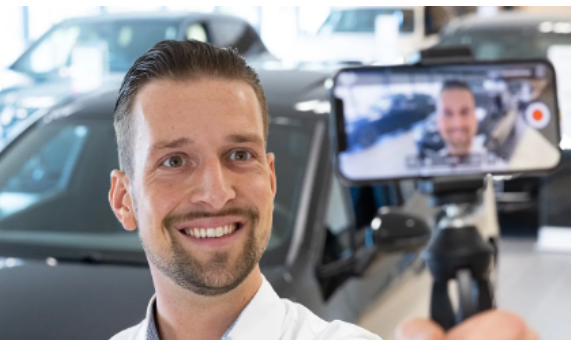
Instead of filming a chaotic, unedited clip on the lot, your sales team should produce structured 30-to-60-second walkaround videos for key inventory items. Focus heavily on what necessity-driven buyers care about most in 2026: vehicle tech, cargo versatility, and practical vehicle parameters.
- Example: For a newly arrived 2026 Ford Explorer, create a dedicated short clip highlighting the precise configuration of the third-row seating, the responsiveness of the infotainment center, and real-world fuel economy figures.
Pro-Tip: Over 50% of consumers watch mobile videos completely muted. Always use AI-powered automated caption tools to ensure your walkaround text is readable without sound, which has been shown to boost viewer retention by up to 65%.
2. Embrace Immersive 360-Degree Virtual Tours
Interactive virtual spaces have transitioned from a “nice-to-have” luxury into an expected component of automotive user experience (UX). Modern website features that turn browsers into test drives must allow users to manipulate the camera freely.
By embedding 360-degree virtual interior and exterior tools directly onto your vehicle landing pages, you allow customers to inspect the cabin trim, dashboard layout, and legroom from their couch. This eliminates friction, answers latent layout questions instantly, and builds the confidence required to submit a finance application or book a physical showroom visit.
3. Leverage Personalization via Live Video Consultations
In 2026, omnichannel execution means bridging the gap between a remote web session and an on-lot consultation seamlessly. When a lead shows an active engagement signal, cold emails often fall flat.
Instead of basic text follow-ups, successful sales teams use real-time live video consultations. A salesperson walking a customer through a specific vehicle via an instant video call can qualify a buyer just as effectively as a traditional showroom visit. It personalizes the experience at scale, directly increasing appointment show rates and closing the communication gap.
Aligning Your Video Strategy with SEO, GEO, and AEO
To be cited by AI search engines like Gemini or Perplexity, your video assets cannot sit in a silo. Generative Engine Optimization (GEO) and Answer Engine Optimization (AEO) rely heavily on structured schemas.
When you embed a video on your site, you must provide detailed metadata, transcripts, and explicit schema tags detailing the exact trim level, pricing thresholds, and geographic modifiers of the vehicle. If an AI engine searches for “2026 hybrid trucks for sale near Wilmington,” it parses structured media. If your video has the proper backend tags, the AI model can directly pull your clip as a trusted citation answer.
Next Steps for Dealerships
- Audit Current VDP Media: Identify your highest-margin or highest-volume inventory models that currently lack video coverage.
- Equip Your Sales Staff: You do not need Hollywood production values. Provide your team with basic stabilizers and clip-on wireless microphones to guarantee crisp video and audio quality.
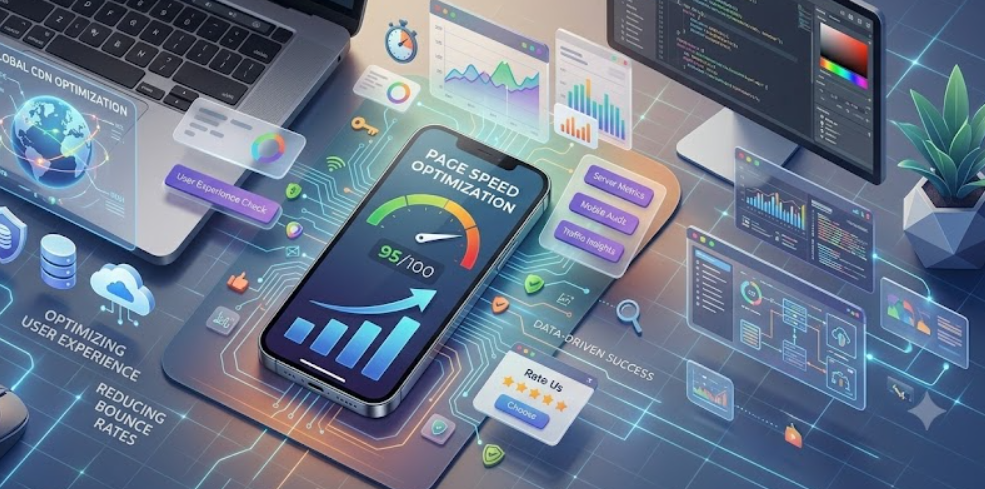
- H3: Optimize the Backend Stack: Partner with an experienced fractional marketing leader to ensure your video player is fast-loading, mobile-optimized, and fully indexed with schema markup.
Ready to Move Your Strategy Out of Neutral?
Don’t let slow response times or outdated website features sink your marketing ROI. At Logos-Tek, our Fractional CMO services provide the executive oversight needed to modernize your tech stack and maximize conversion metrics.